
why am I doing peer review?
Peer review is a chance for you to learn how other people are understanding and responding to your ideas before you submit a final draft. Doing this has a few big benefits.
- It will force you to finish a draft early, meaning you’ll have time to do some revision.
- It will help you to figure out what to focus on in revision.
- It will give you a chance to talk through your ideas with another person, which may give you a second wind in your own thought process.
You may ask yourself, how can two students who are not experts know what advice to give to one another? Don’t think of yourself as giving “advice” like a teacher. Instead, you are letting each other know how their writing is coming across. The commenter may not know “better” than the writer, but they can be a fresh set of eyes.
before peer review
Before starting peer review, you’ll want to figure out how to make the most efficient use of your time. You’ll be reading someone else’s essay and giving feedback, and you’ll be getting ideas from another student. Before you ever start, you can figure out what you want to focus on in your limited time.
Questions to ask yourself:
- What are my goals for the session? You won’t be able to think about everything – what is most important? You may want to look at the assignment sheet as you decide what to prioritize.
- What am I concerned about in the paper right now? If you have particular areas you think need work in your paper – let your partner know! That way you’ll get the kind of feedback that will be most useful to you at this point in your process.
Questions to ask your partner:
- What do they most want feedback on right now? Your partner may not have thought about this yet, but if you ask them this question, it will give you a clearer job to do as a reader.
- What is the main point they’re trying to communicate? If you hear them tell you in their own words what they’re trying to say, you’ll be better able to tell if the writing is accomplishing the writer’s goals and what still needs to get put on the page.
during peer review
What is your job?
- Follow your instructor’s guidelines. You may get specific directions from your professor. If they only ask you to focus on one or two things, listen to that!
- You are not an editor. You are not responsible for catching every mistake the writer is making.
- Your job is to give your partner an idea of how clearly their ideas are coming across to readers and to tell them how you are experiencing their writing.
How to target your feedback:
- Don’t try to tackle everything! It would be impossible to talk about every possible issue in any given draft. What feels like the 1 or 2 things that would most improve this paper if the writer worked on them before the due date? Help them figure out what to prioritize.
How to give feedback without criticizing:
- Ask questions. If you have questions about their ideas, that is valuable for them to know!
- Explain your experience as a reader. Without telling your partner what to “fix,” you can tell them if you are finding particular parts of their essay confusing, unsupported, or particularly great!
after peer review
You do not have to take all the advice you’re given as the writer, but you should consider the feedback you’ve received seriously. Your partner does not know better than you what would make your paper good, so you will have to decide what changes you want to make. However, they are giving you new information about how your writing is working. So even if you do not take your reader’s advice directly, how can you respond to their concerns in your way?
Decide on your priorities – what do you have time to work on before the deadline? Be realistic! You will have tried to limit and target your feedback to your partner, but if they gave you a million notes – it is now your job to decide what is most important for your paper. Again, don’t try to tackle everything!
advice from the writing center consultants
Getting peer reviewed by someone that doesn’t know your writing style can be extremely beneficial because they have no prior exposure to your previous work – they have outside experience.
Breelyn
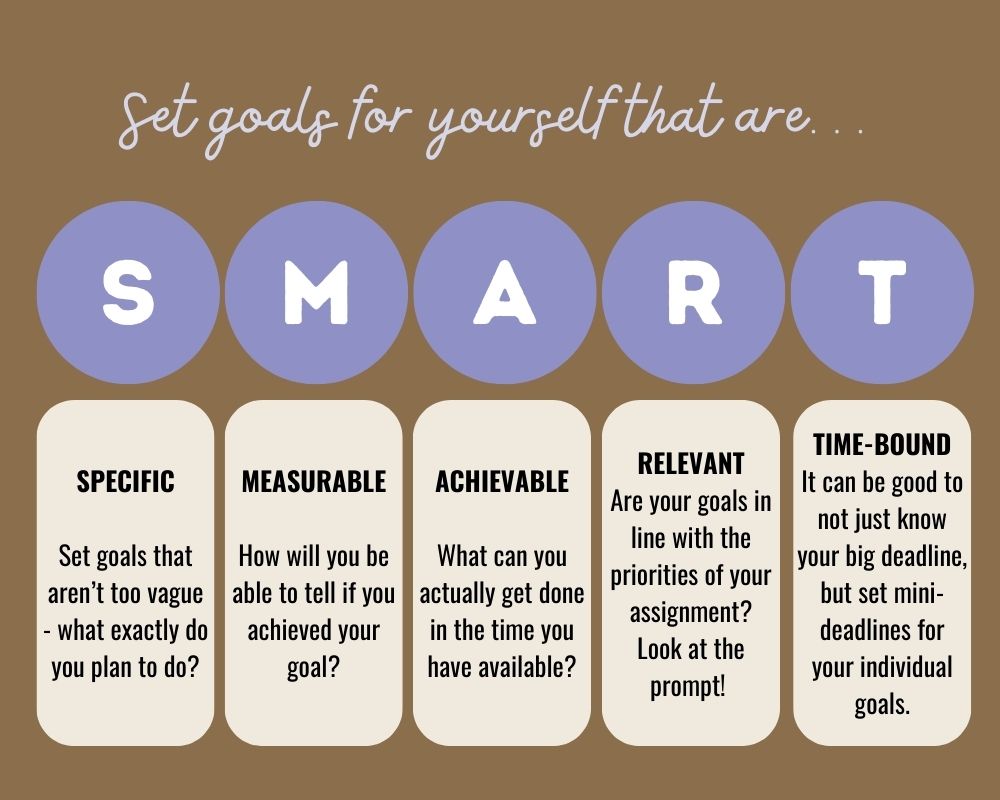
If you try to fix every little thing, you will burn yourself and your partner out. Just focus on what will address their concerns.
Miles
If you notice other things (outside of your partner’s stated goals), put them in the back of your mind, and, if appropriate, you can ask questions
Jack
Use “I statements”! It’s less accusatory and more insightful.
Elz
Writing a short review/summary of your comments can be very beneficial to create some cohesion in your feedback
Breelyn
Being honest about someone else’s paper isn’t being “mean” or hurtful, it’s all about the delivery and word choice of your feedback
MJ
 Writing at Wofford