
When I was in elementary school and even early middle school, there was always time for free reading or reading for pleasure. I read countless amounts of books like Percy Jackson, The Selection series, or The Hunger Games trilogy. None of those books were for any sort of academic purpose or merit, it was all for pleasure and fun. My friends and I would always talk about what we were reading for free reading time each day. It was fun!
Now that I am in college, the culture around reading for pleasure is entirely different. My friends will read occasionally over vacations like spring and summer break, but hardly during the school year. I can be included in that group. Finding the effort to want to pick up a book for fun is much harder than it used to be. It takes double the time to actually finish a novel for a class on top of trying to find the time to dedicate to reading just for me.
I am curious as to why that shift in mindset takes place as me and other students get older or if it is even related to age at all. Is it a time management problem? A stress issue? Maybe the passion is just simply gone. Why is reading for fun not the same as a young adult compared to reading as a child?
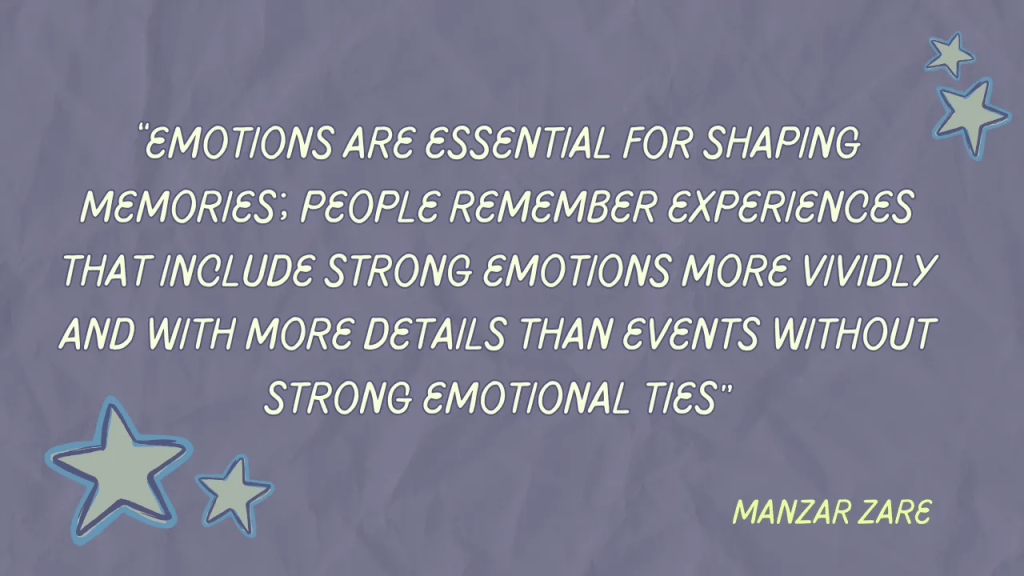
The article “The Roots of Reading for Pleasure: Recollection of Reading and Current Habits” is a psychological study run by Manzar Zare that looked into the memories that undergraduates have associated with reading growing up, all the way from learning to read to high school. This study is highly based on each participants individual emotions associated with their reading experiences. Zare writes that “emotions are essential for shaping memories; people remember experiences that include strong emotions more vividly and with more details than events without strong emotional ties” (263). I think that looking at pleasure reading through a more emotional lens is very important in terms of understanding why undergrads do not read for pleasure like children do.
To use a personal example, it is very obvious that I have a nostalgic fondness for reading and try to find the time for pleasure reading, but my younger brother (a freshman at the University of Georgia) rarely reads for pleasure; he never really has. The key difference between us is that I had a lot easier time learning to read and focusing in school growing up than he did. I have more positive emotional associations to reading for fun than he does.
Zare’s study connects and even backs up the differences between my brother and me. It was found that “those who recalled more warm experiences from early childhood were more likely to describe themselves as avid readers throughout their schooling” (Zare 270). Good experiences shape habits later on in life, so if a student is in an environment where learning to read makes them feel “connected, competent, and autonomous” they are more likely to read in their free time as a young adult as opposed to someone who may have had the opposite experience (Zare 263). The teaching atmosphere is more important than I realized to help shape undergraduate students who are avid readers.
Zare’s study asserts that “teachers who are not avid readers themselves, sometimes lack the enthusiasm that is instrumental in sharing a love of reading with their students” (262). A love of reading is a very powerful thing. It may seem corny or somewhat of a no-brainer that an English major would think that, but I truly believe that reading for pleasure is important and influential. Teachers who are able to instill their own love of reading into their students have the potential to create well-rounded young adults (as dramatic as that sounds).
After looking at the development of pleasure reading habits from young children to college students, I realize that is not the only factor that hinders young adults from using their free time to read. Undergrad is stressful (as mentioned in my previous blog) and there is not always the time to sit down, take a breather, and open up a novel. The “go-go-go” nature and culture of being a college student greatly impacts reading for fun.
In another psychological study titled “Attitude, Perception, and Practice towards Pleasure Reading among University Students: A Case Study”, Sakib Biswas analyzes the responses of students at Dhaka University [DU] towards pleasure reading. It was found that “around 40.0% of the participants are reading job-seeking guide books currently” (Biswas 10). The study concluded that “the most visible tendency among the students of DU is their career oriented thinking” (Biswas 21-22). In my opinion, a majority if not all of college students are extremely career oriented even starting freshmen year. Speaking as a senior currently looking for jobs and internships, a career is almost always on the brain.
This focus on future careers and doing well in school, which is albeit important, takes away from the decision to just sit down and read for pleasure. Reading for fun can be a more of a restful use of free time than most students initially think. It does not matter if you are twenty-two and reading Percy Jackson and the Lightning Thief for the eighth time (speaking from personal experience) or an eighteen year old reading Donna Tartt (also speaking from my own experience). Reading for pleasure is a valuable skill and use of time, the passion and desire just needs to be there.
As for the original question of what happened to reading for fun, I think it is a complex answer. The answer is a blend of childhood experiences, undergraduate culture, and the actual desire to read for pleasure. Overall, I feel that fun reading of all kinds should be more encouraged by those who are avid and passionate about the subject. Maybe that can bring the magic of childhood books to back to college students.
-Mary Jackson Kirk


SOURCES
Biswas, Md Sakib. “Attitude, Perception and Practice towards Pleasure Reading among University Students: A Case Study.” Library Philosophy and Practice, 2023, pp. 1–24.
Zare, Manzar, et al. “The Roots of Reading for Pleasure: Recollections of Reading and Current Habits.” Literacy (Oxford, England), vol. 57, no. 3, 2023, pp. 262–74, https://doi.org/10.1111/lit.12315.
This post is re-blogged from MJ‘s senior capstone substack, which you can find at https://maryjacksonkirk.substack.com

 Writing at Wofford
Leave a comment